
Dog Fleas vs. Cat Fleas: What’s the Difference and Why It Matters
You may notice your dog scratching more than usual or your cat grooming obsessively, and suddenly the question comes up: are these dog fleas versus cat fleas, and does it really matter? In most cases, what pet owners call “dog fleas” and “cat fleas” are actually the same species, yet the way they affect your pets, spread through your home, and respond to prevention can feel very different. At Country Oaks Animal Hospital in New Port Richey, FL, we often help families navigate flea concerns that seem simple on the surface but quickly become frustrating. Understanding the difference between dog fleas versus cat fleas — and why that distinction matters — can help you take faster, more effective steps to keep your pet comfortable and your home protected.
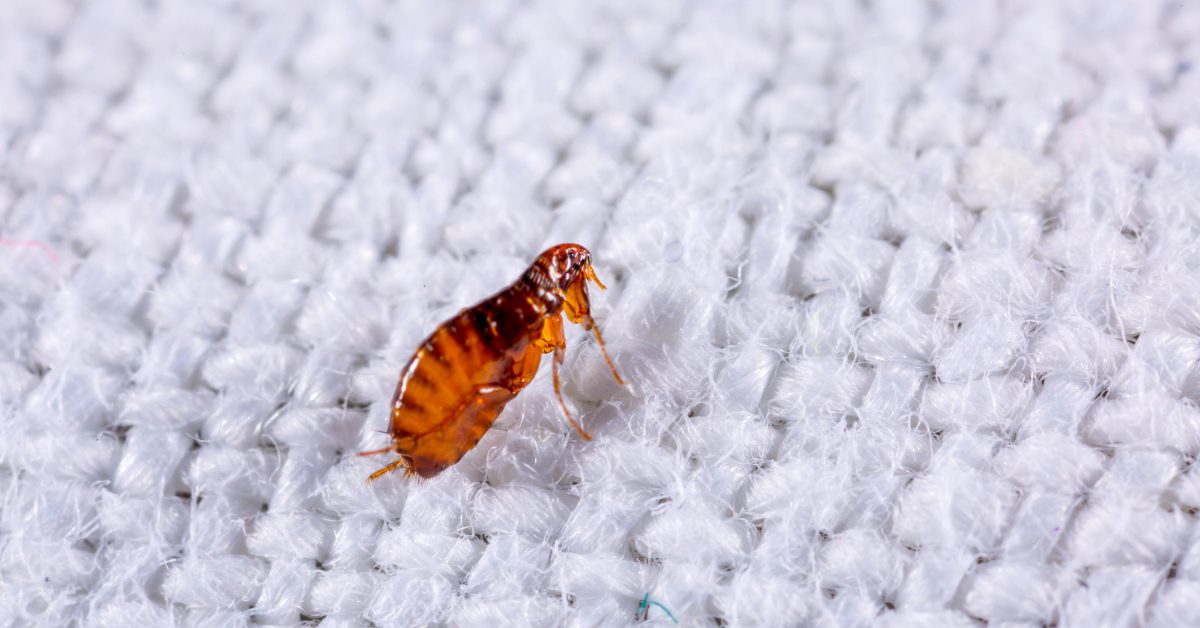
Dog Flea vs. Cat Flea Differences
When comparing dog fleas versus cat fleas, the most important distinction surprises many pet owners: the most common flea found on both dogs and cats is the cat flea (Ctenocephalides felis). Despite its name, the cat flea affects both species and accounts for the majority of flea infestations in households across Florida. True dog fleas (Ctenocephalides canis) do exist, but they are far less common in the United States. This means that in a practical, everyday sense, most flea problems in dogs and cats stem from the same parasite.
That said, subtle differences still matter when we talk about flea behavior, reproduction, and how infestations develop. Cat fleas tend to reproduce quickly and thrive in warm, humid environments like New Port Richey, which allows them to spread rapidly between pets. Dog fleas, while similar in appearance, are less commonly encountered and may behave slightly differently in terms of host preference and environmental resilience. From a clinical standpoint, both types feed on blood, cause itching, and can contribute to skin irritation, but the speed at which cat fleas multiply often makes infestations feel more aggressive.
Pet owners also notice differences in how fleas present on dogs versus cats. Dogs may show visible scratching, biting at the skin, or hair loss, while cats often groom excessively and may hide signs more subtly. Because cat fleas dominate most infestations, the term “dog fleas versus cat fleas” becomes less about species difference and more about how fleas affect each pet differently in the home. This distinction becomes especially important when planning prevention and treatment strategies.
How Fleas Affect Dogs vs. Cats
Although fleas on cats and dogs are often the same species, the way they impact each animal can vary based on behavior, grooming habits, and skin sensitivity. Dogs tend to display more obvious signs of discomfort, which makes flea problems easier to spot early. Cats, on the other hand, may mask symptoms until the infestation has progressed, leading to delayed detection.
Here are common ways fleas may present differently:
- Dogs: Frequent scratching, chewing at the skin, redness, and visible flea dirt
- Cats: Excessive grooming, hair thinning, scabs around the neck or back, and increased hiding behavior
- Both pets: Restlessness, skin irritation, and signs of discomfort that may worsen over time
Because cats groom so thoroughly, they may ingest fleas during grooming, making it harder to spot the problem directly. Dogs, meanwhile, may carry more visible evidence on their coat. Recognizing these differences helps pet owners respond sooner and reduces the risk of a larger infestation in the home.
Can Dog Fleas Live on Cats and Vice Versa?
One of the most common questions we hear is whether dog fleas versus cat fleas stay limited to one species. The short answer is no, fleas do not respect species boundaries. Cat fleas, in particular, can live comfortably on both dogs and cats, which allows infestations to spread quickly between pets in the same household. This is why a single untreated pet can lead to ongoing flea issues for every animal in the home.
Fleas are opportunistic parasites. They seek out a host that provides warmth and access to blood, regardless of whether that host is a dog, cat, or even another mammal. In multi-pet households, this creates a cycle where fleas move freely between animals, lay eggs in shared environments, and continue reproducing. Even indoor-only pets are not immune, as fleas can enter the home on clothing, shoes, or other animals.
This cross-species adaptability is one of the main reasons why understanding dog fleas versus cat fleas matters. When pet owners assume fleas are species-specific, they may treat only one pet or overlook environmental factors. Effective flea control requires a broader approach that considers every pet and the surrounding environment.
Why Fleas Spread So Easily Between Pets
Fleas spread quickly because of their life cycle and ability to survive in multiple stages within your home. Adult fleas live on pets, but eggs, larvae, and pupae often exist in carpets, bedding, and furniture. This means that even if you remove fleas from your dog or cat, new fleas can emerge from the environment and restart the cycle.
Several factors contribute to rapid spread:
- Shared living spaces: Pets sleep, play, and rest in the same areas.
- High reproduction rate: A single flea can lay dozens of eggs daily.
- Warm climate: Florida’s environment supports year-round flea activity.
- Indoor survival: Fleas can thrive inside homes, not just outdoors.
Because fleas move through these stages quickly, infestations can escalate before they are fully recognized. This is why consistent prevention and early intervention are so important for both dogs and cats.
Practical Steps Pet Owners Can Take at Home
While professional veterinary care plays an important role in flea management, there are also simple steps you can take at home to reduce the risk of infestation and support your pet’s comfort. These steps work best when used consistently and in combination with guidance from your veterinary team.
Consider incorporating the following into your routine:
- Frequent cleaning: Vacuum carpets, furniture, and pet bedding regularly.
- Routine grooming: Check your pet’s coat for signs of fleas or flea dirt.
- Washing bedding: Clean pet bedding and blankets on a consistent schedule.
- Outdoor awareness: Be mindful of areas where fleas may be present, such as shaded yards.
These habits help limit the environment where fleas can thrive and make it easier to detect problems early. When paired with veterinary recommendations, they create a stronger defense against ongoing flea concerns.
Breaking the Flea Cycle in New Port Richey, FL
Living in Florida means dealing with a climate that supports flea activity year-round. This makes prevention an ongoing effort rather than a seasonal concern. Understanding dog fleas versus cat fleas allows you to take a more informed approach and avoid common pitfalls, such as treating only one pet or overlooking environmental factors.
At Country Oaks Animal Hospital, we work with pet owners to identify flea concerns early and develop strategies that fit each household. Every home is different, and factors like the number of pets, indoor versus outdoor access, and local environment all play a role. By addressing the full picture, we can help reduce the likelihood of recurring infestations and improve your pet’s comfort.
If you have noticed signs of fleas or want to stay ahead of potential issues, our team is here to help. Call (727) 857-9977 to schedule an appointment and discuss the best approach for your pet.
A Small Pest with a Big Impact on Your Pet’s Comfort
Dog fleas versus cat fleas may sound like a simple comparison, but the reality is more nuanced than many pet owners expect. Most flea problems come from a shared source, yet the way they affect dogs, cats, and your home can vary widely. By understanding how fleas behave, how they spread, and how they impact each pet, you can take a more confident approach to prevention and care.
Fleas thrive on opportunity, but with the right awareness and support, you can stay one step ahead. Whether you are managing an active issue or focusing on prevention, a consistent plan helps protect your pet and your home. When questions come up, our team at Country Oaks Animal Hospital is ready to guide you with practical care tailored to your pet’s needs.
Recent Posts
About Us
Small description of the practice goes here - maybe pull from the About Us page?