
How Long Do Cat Vaccine Side Effects Last? A Vet’s Guide for Pet Parents
The evening after your cat’s vaccine visit can bring a small surprise. Maybe your cat seems a little sleepier than usual or skips a meal they would normally devour. These subtle changes often leave pet owners wondering what’s normal and how long cat vaccine side effects last. In most cases, cat vaccine side effects are mild and short-lived, typically resolving within 24 to 48 hours. At Country Oaks Animal Hospital in New Port Richey, FL, we guide pet owners through what to expect after vaccinations so they can feel confident and prepared while their cat’s immune system does its job.
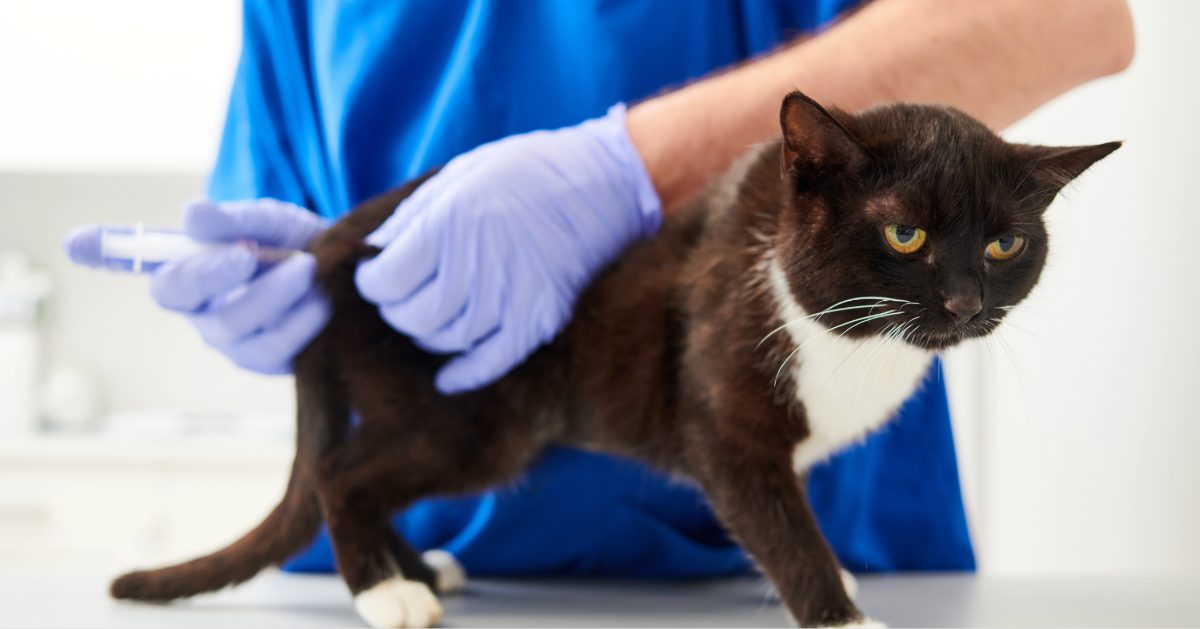
How Long Cat Vaccine Side Effects Last
Cat vaccine side effects generally appear within a few hours after vaccination and fade within one to two days. These reactions occur because the immune system is actively responding to the vaccine and building protection against disease. While the term “side effects” can sound concerning, most of what you see reflects a healthy immune response rather than a problem. Many pet owners ask, “How long do cat vaccine side effects last if my cat seems tired or not acting like themselves?” In most situations, mild symptoms improve quickly and do not interfere with long-term health.
The most common mild cat vaccine side effects include temporary fatigue, slight swelling or sensitivity at the injection site, and reduced appetite. Some cats may also develop a low-grade fever, which can contribute to that quieter, less active behavior. These changes often peak within the first 24 hours and gradually resolve on their own. By the second day, most cats return to their normal routines, including eating, playing, and interacting with their families.
It’s also helpful to consider that each cat responds differently to vaccines. Kittens receiving their first series may show slightly more noticeable reactions as their immune systems encounter these antigens for the first time. Adult cats, especially those with a consistent vaccination history, often experience fewer or milder symptoms. Even so, variation between individuals remains normal, and small differences in behavior do not necessarily indicate a problem.
Common Short-Term Reactions You May Notice
Most cat vaccine side effects fall into a predictable range of mild symptoms. These are temporary and typically resolve without intervention:
- Mild lethargy or increased sleep
- Decreased appetite for a day
- Slight swelling or sensitivity at the injection site
- Low-grade fever
- Temporary behavioral changes, such as hiding or reduced play
These signs often appear within hours after the appointment and improve steadily. If your cat prefers a quiet space to rest or seems less social for a short time, this response aligns with how the body processes vaccines. Offering a calm environment and maintaining their normal routine can help them settle back in comfortably.
Why Timing Can Vary Between Cats
While most cat vaccine side effects resolve within 48 hours, timing can vary slightly depending on several factors. Age, overall health, and the type of vaccine administered all play a role in how a cat responds. For example, combination vaccines or booster shots may produce slightly more noticeable reactions compared to a single antigen vaccine. Stress from travel or a clinic visit can also contribute to temporary changes in appetite or behavior.
Another common question we hear is, “How long do cat vaccine side effects last in older cats?” Senior cats may take a bit longer to bounce back, especially if they already have underlying health considerations. However, the difference is usually minor, and most still return to normal within a couple of days. Monitoring your cat during this period helps you recognize whether their recovery follows a typical pattern.
When Cat Vaccine Side Effects Need a Vet
Although most cat vaccine side effects are mild, it’s important to recognize when a reaction falls outside the expected range. More significant responses are rare, but early awareness allows you to act quickly and seek guidance when needed. At Country Oaks Animal Hospital, we encourage pet owners to reach out if something doesn’t feel right, even if you’re unsure whether it’s related to a vaccine.
More serious reactions often develop within minutes to a few hours after vaccination, though some can appear later. These responses require prompt veterinary attention. Understanding the difference between mild and concerning symptoms helps you make informed decisions about your cat’s care.
Signs That Require Prompt Veterinary Attention
While mild symptoms resolve quickly, the following signs indicate that your cat should be evaluated by a veterinarian:
- Persistent vomiting or diarrhea
- Facial swelling or hives
- Difficulty breathing or rapid breathing
- Collapse or extreme weakness
- Swelling at the injection site that continues to grow or does not improve
These symptoms may suggest an allergic reaction or another uncommon response. Acting quickly allows your veterinary team to assess your cat and provide appropriate care.
Injection Site Reactions: What’s Normal vs. Not
A small lump at the injection site can develop after vaccination and may last for several days. In most cases, this lump gradually shrinks and disappears within a couple of weeks. Many pet owners ask, “How long do cat vaccine side effects last when there’s a bump under the skin?” A small, non-painful swelling that improves over time is generally expected.
However, if the lump persists beyond a few weeks, increases in size, or becomes firm and immovable, it’s important to schedule an exam. Monitoring the size and feel of the area helps your veterinary team determine whether further evaluation is needed. While rare, long-term injection site reactions require attention to rule out more serious conditions.
Helping Your Cat Feel Comfortable After Vaccination
After a vaccine visit, simple adjustments at home can help your cat feel more at ease while mild side effects pass. These steps focus on comfort and observation rather than treatment. Many pet owners appreciate knowing how to support their cat during this short recovery window without overcomplicating care.
Providing a quiet, familiar environment allows your cat to rest without added stress. Some cats prefer to retreat to a favorite bed or a quiet room where they can relax undisturbed. Keeping their routine consistent, including feeding times and litter box access, helps maintain a sense of normalcy.
What Pet Owners Often Ask About Cat Vaccine Side Effects
Pet owners frequently have questions about what’s normal after vaccinations and how to interpret changes in their cat’s behavior. Addressing these common concerns helps set clear expectations and reduces unnecessary worry.
One of the most common questions is, “Do all cats experience vaccine side effects?” The answer is no. Many cats show no noticeable changes at all. Others may have mild reactions that resolve quickly. Both outcomes fall within the range of normal responses.
Another frequent question is, “Can cat vaccine side effects last longer than two days?” While most symptoms resolve within 48 hours, a small number of cats may take slightly longer to fully return to normal. If symptoms persist beyond a couple of days or seem to worsen, it’s best to contact your veterinary team for guidance.
Pet owners also ask whether future vaccines will cause the same reaction. In many cases, cats tolerate future vaccinations well, especially when your veterinarian tailors the schedule to your cat’s lifestyle and health history. Sharing any past reactions with your veterinary team helps guide future care decisions.
A Healthier Future Starts with Informed Care
Understanding how long cat vaccine side effects last can turn uncertainty into confidence. Most reactions are mild, short-lived, and part of a normal immune response that helps protect your cat from serious diseases. By knowing what to expect and when to check in, you can support your cat through this brief adjustment period with ease.
If your cat is due for vaccines or you have questions about recent symptoms, our team at Country Oaks Animal Hospital in New Port Richey, FL is here to help. Call us at (727) 857-9977 to schedule an appointment or speak with our team about your cat’s needs.
Recent Posts
About Us
Small description of the practice goes here - maybe pull from the About Us page?