
Using X-Rays to Diagnose Fungal Infections in Dogs: What You Should Know
When a dog starts slowing down, coughing more than usual, or showing subtle changes that don’t quite add up, many pet owners feel a sense of uncertainty. These signs often lead to a deeper conversation about what might be happening beneath the surface. A dog fungal infection X-ray gives our veterinary team a way to look beyond what we can see during a physical exam and evaluate what’s happening inside the body. By using imaging alongside clinical expertise, we can identify patterns that suggest fungal infections affecting the lungs, bones, or other internal structures. At Country Oaks Animal Hospital in New Port Richey, FL, we use X-rays as part of a diagnostic approach that helps us better understand your dog’s condition and guide the next steps in care.
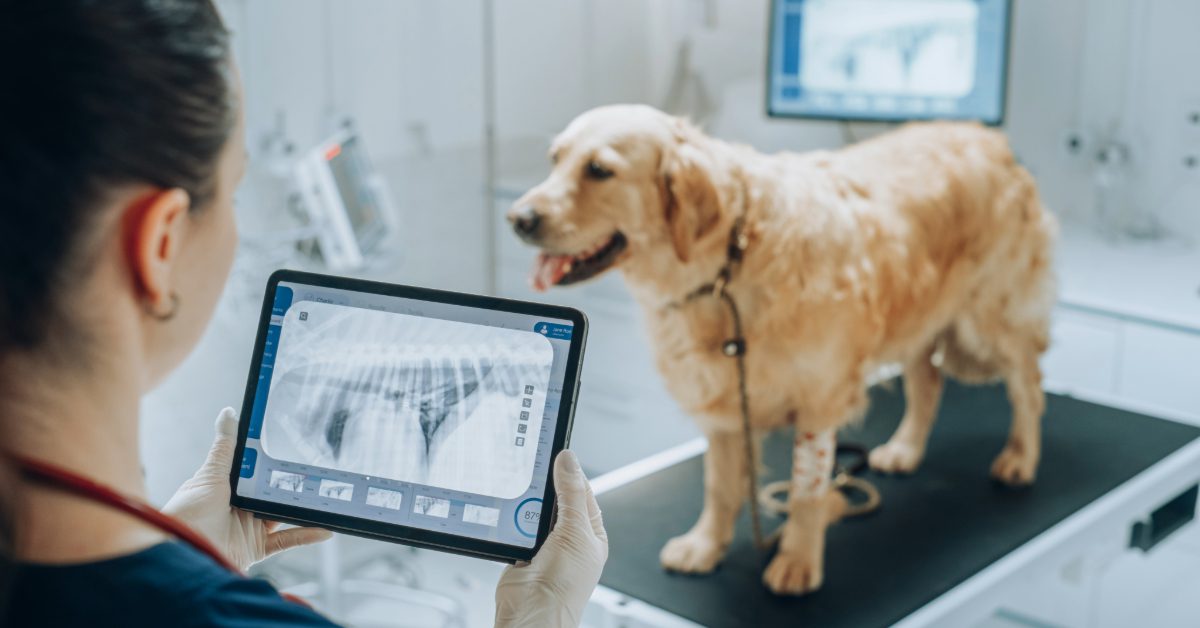
How X-Rays Help Diagnose Fungal Infections in Dogs
A dog fungal infection X-ray serves as a valuable diagnostic tool because many fungal infections develop internally, where symptoms may remain vague in the early stages. These infections often begin when a dog inhales fungal spores from the environment, particularly in warm, humid regions like Florida. Once inside the body, the infection can settle in the lungs and sometimes spread to other organs, making imaging an important part of the evaluation process. X-rays allow us to assess the lungs, bones, and chest cavity for abnormalities that may not be detectable through a routine exam alone. While an X-ray does not confirm a fungal infection on its own, it provides important visual clues that help guide further testing.
When reviewing a dog fungal infection X-ray, we look for patterns that suggest inflammation or structural changes. For example, the lungs may show a diffuse or nodular pattern that differs from typical bacterial infections. In some cases, we may see bone involvement if the infection has spread, which can appear as areas of bone loss or irregular growth. These findings help us determine whether additional diagnostics, such as blood tests or advanced imaging, may be necessary. By combining imaging results with your dog’s history and symptoms, we build a clearer picture of what’s happening.
What Veterinarians Look for on X-Rays
Interpreting a dog fungal infection X-ray requires experience and attention to detail. We evaluate several aspects of the image to determine whether the findings align with a possible fungal cause. Each case presents differently, so we focus on patterns rather than relying on a single indicator.
Key findings we may evaluate include:
- Changes in lung opacity, such as cloudy or patchy areas
- Nodular patterns that may indicate fungal lesions
- Enlargement of lymph nodes within the chest
- Evidence of bone involvement in advanced cases
- Fluid accumulation or changes in the chest cavity
These findings do not automatically confirm a fungal infection, but they help us narrow down potential causes and prioritize the next steps. This is why imaging plays such an important role in early detection and ongoing monitoring.
Signs of Fungal Infections That Need Imaging
Fungal infections in dogs can present in ways that are easy to overlook at first. Many of the early signs mimic other conditions, which is why imaging often becomes part of the diagnostic process when symptoms persist or worsen. A dog fungal infection X-ray may be recommended when your dog shows respiratory issues, unexplained discomfort, or systemic changes that do not resolve with initial care. Recognizing these signs early can make a meaningful difference in how quickly we can begin targeted diagnostics.
Common symptoms that may prompt imaging include:
- Persistent coughing or difficulty breathing
- Lethargy or reduced activity levels
- Unexplained weight loss
- Fever that does not resolve
- Swelling, lameness, or bone pain
These signs do not always point directly to a fungal infection, but they indicate that further evaluation is needed. When symptoms involve the lungs or bones, X-rays provide valuable insight into what may be contributing to your dog’s condition. If you notice any of these changes, scheduling an evaluation allows us to determine whether imaging is appropriate.
How X-Rays Fit Into a Larger Diagnostic Plan
A dog fungal infection X-ray is one piece of a larger diagnostic puzzle. While imaging provides valuable visual information, it works best when combined with other diagnostic tools. Depending on what we see on the X-ray, we may recommend additional testing to confirm a diagnosis or rule out other conditions. This may include laboratory testing or more advanced imaging techniques.
Our goal is to build a complete understanding of your dog’s health. By using X-rays alongside other diagnostics, we can avoid making assumptions and instead rely on clear, evidence-based findings. This approach helps ensure that each step we take moves us closer to accurate answers.
Living in Florida: Environmental Risks for Fungal Infections
Dogs in New Port Richey and throughout Florida face unique environmental factors that can increase exposure to fungal organisms. Warm temperatures, humidity, and certain soil conditions create an environment where fungal spores thrive. Dogs that spend time outdoors, especially in areas with disturbed soil, may have a higher risk of exposure. This makes awareness and early evaluation even more important for local pet owners.
A dog fungal infection X-ray often becomes part of the diagnostic process when environmental exposure is suspected. Because these infections begin internally, imaging helps us identify whether the lungs or other areas show changes consistent with fungal involvement. Understanding the environmental context allows us to interpret X-ray findings more effectively and determine the most appropriate next steps.
While it’s not possible to eliminate all exposure risks, you can take simple steps at home to reduce the likelihood of contact with fungal spores:
- Limit digging in areas with loose or disturbed soil
- Keep your dog’s living space clean and dry
- Monitor for respiratory changes after outdoor activity
- Schedule routine wellness visits to track overall health
These small adjustments, combined with timely veterinary evaluation, can make a meaningful difference in early detection.
When to Call Country Oaks Animal Hospital
If your dog shows ongoing symptoms or changes that don’t resolve, it’s time to take a closer look. A dog fungal infection X-ray may be recommended when we need more insight into what’s happening internally. At Country Oaks Animal Hospital, we take a thoughtful, step-by-step approach to diagnostics so you feel informed and confident at every stage.
Our team is here to answer your questions, explain findings clearly, and guide you through the process with transparency. Whether your dog needs imaging or further evaluation, we focus on providing care that aligns with their specific needs. If you’re concerned about your dog’s health or have noticed persistent symptoms, call us at (727) 857-9977 to schedule an appointment.
A Clearer Picture Starts with the Right Diagnostic Tools
Understanding what’s happening inside your dog’s body often requires more than observation alone. A dog fungal infection X-ray gives us the ability to look deeper, identify patterns, and move forward with greater clarity. When paired with a thorough exam and additional diagnostics, imaging becomes a powerful tool in uncovering the cause of ongoing symptoms. At Country Oaks Animal Hospital in New Port Richey, FL, we use every resource available to build a complete picture of your dog’s health and help you take the next step with confidence.
Recent Posts
About Us
Small description of the practice goes here - maybe pull from the About Us page?